
The application of behavioral finance principles to avoid common retail forex pitfalls
 Wayne Howard
5 min read
Wayne Howard
5 min read
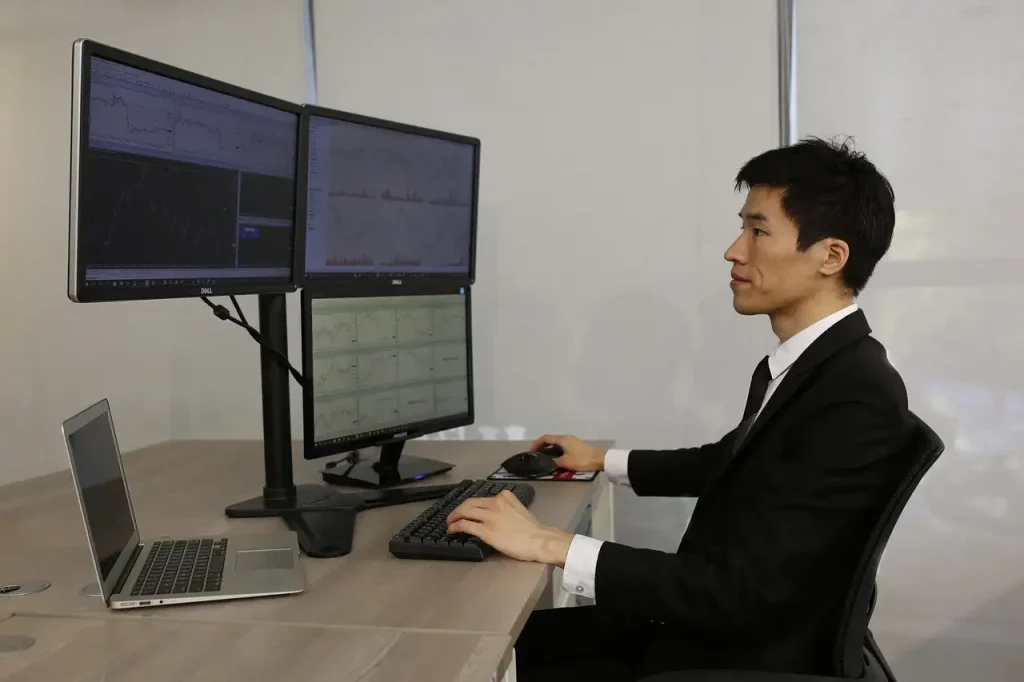
Let’s be honest. Most retail forex traders know the technical stuff. They understand pips, leverage, and candlestick patterns. Yet, a huge percentage still end up losing money. Why? The market isn’t just charts and economics. It’s a mirror, reflecting our own psychology back at us. That’s where behavioral finance comes in—it’s the study of how mental biases and emotions wreck our financial decisions.
Applying behavioral finance principles isn’t about finding a magic indicator. It’s about recognizing the internal traps you set for yourself. And learning to step around them. Here’s the deal: we’re going to map common forex pitfalls to specific cognitive biases and, more importantly, outline practical ways to fight them.
Your brain is not your friend in trading
We like to think we’re rational. But our brains are wired for survival on the savanna, not for evaluating risk in the EUR/USD. These hardwired shortcuts—called heuristics—become massive liabilities when real money is on the line.
The overconfidence trap: “I’ve got this figured out”
This one’s a killer. After a few winning trades, that feeling is intoxicating. You start to believe your skill is infallible, you know? You might increase position size recklessly or stray from your trading plan because, well, you’re “in the zone.” Behavioral finance calls this overconfidence bias, and it’s compounded by another quirk: self-attribution bias. That’s when you credit wins to your genius but blame losses on bad luck or market “manipulation.”
Antidote: Keep a detailed trading journal. And I mean detailed—log your rationale for every trade, your emotional state, the outcome. Review it weekly. The cold, hard data will show you the real source of your wins (skill vs. luck) and keep that ego in check. Also, force yourself to write down the reasons a trade could go wrong before you enter. It creates a moment of necessary doubt.
Loss aversion and the sinking ship
Here’s a core principle from behavioral finance: the pain of losing $100 is psychologically about twice as powerful as the pleasure of gaining $100. In forex, this loss aversion manifests as holding onto losing trades far too long, hoping they’ll bounce back—the classic “sunk cost fallacy” in action. You’re emotionally anchored to your entry price. Conversely, you might cut winning trades short just to “lock in” a gain and feel that relief, leaving a mountain of profit on the table.
Antidote: Automate your exits. Use stop-loss and take-profit orders as non-negotiable parts of your trade setup. This takes the emotional decision out of the moment. Think of it like a pre-nup for your trade—it’s not romantic, but it prevents a messy, costly divorce later.
The herd mentality and confirmation bias
Forex forums, news headlines, Twitter gurus… it’s noisy out there. And our brains crave social validation. Herd mentality pushes us to follow the crowd into overbought trends or out of positions prematurely. It feels safer to be wrong with everyone else than to be right alone.
This pairs terribly with confirmation bias—our tendency to seek out and prioritize information that confirms what we already believe. If you’re long on GBP, you’ll unconsciously gravitate to bullish analysis and ignore stark warning signs.
Antidote: Assign a “devil’s advocate” role to yourself. For every trade idea, actively seek out and write down three contrary arguments. Also, limit your exposure to opinion-driven media during trading hours. Have your plan, and follow it—not the latest tweet.
Recency bias & the chase
We give undue weight to what happened recently. A sharp, sudden move feels like the new normal, tempting you to FOMO (Fear Of Missing Out) into a trend that’s already exhausted. It’s like seeing three red spins on a roulette wheel and betting your house on black—the market has no memory, but you do, and it clouds your judgment.
Antidote: Zoom out. Always look at multiple timeframes. That explosive 15-minute move might be just a blip on the daily chart. Context is everything. Implement a “cooling-off” rule: if you feel the urge to chase a move, you must wait 30 minutes and re-evaluate on a higher timeframe.
Building a behaviorally-proof trading system
Knowing the biases is one thing. Building a system that guards against them is another. It’s about creating friction for your impulsive brain.
| Behavioral Pitfall | Practical System Guard |
| Overconfidence & Curve-Fitting | Forward-test any strategy on a demo account for at least 2-3 months of live-like conditions. No cherry-picking results. |
| Emotional Trading (Fear/Greed) | Implement strict, daily loss limits. Once you hit it, you’re done. No “revenge trading.” The platform gets shut down. |
| Analysis Paralysis | Create a simple, written checklist for trade entry. No box ticked, no trade. It cuts through the noise. |
| Neglecting Probabilities | Review your journal to calculate your real-world win rate & risk/reward. Accept that a 40% win rate can be profitable with good risk management. |
Honestly, the most important tool isn’t on your chart. It’s a pre-trade ritual. A moment of pause. Ask yourself: “Am I following my plan, or am I following a feeling?” That simple question is a behavioral finance principle in action—it’s called metacognition, or thinking about your thinking.
Where to go from here
This isn’t a one-time fix. It’s a continuous practice, like mindfulness for your portfolio. The market will always be there, offering new, shiny ways to trick your ancient brain. The goal isn’t to become a robot. It’s to become a disciplined human—aware of your quirks, forgiving of your mistakes, and structured enough to not let them bankrupt you.
In the end, the most significant currency you’ll ever trade isn’t the dollar or the euro. It’s your own attention and emotional capital. Invest that wisely.